

From Inspiration to Installation
How an Interior Designer Brings a Room Together
A beautifully designed room can look effortless when it is complete. The furniture feels perfectly placed, colors flow naturally, lighting creates just the right atmosphere, and every detail seems to belong. But that sense of ease is rarely accidental.
Behind a successful interior is a carefully considered design process that takes a room from the first spark of inspiration through planning, selections, ordering, coordination, and finally installation. It is this process that transforms a collection of beautiful individual pieces into a space that feels cohesive, comfortable, and uniquely yours.
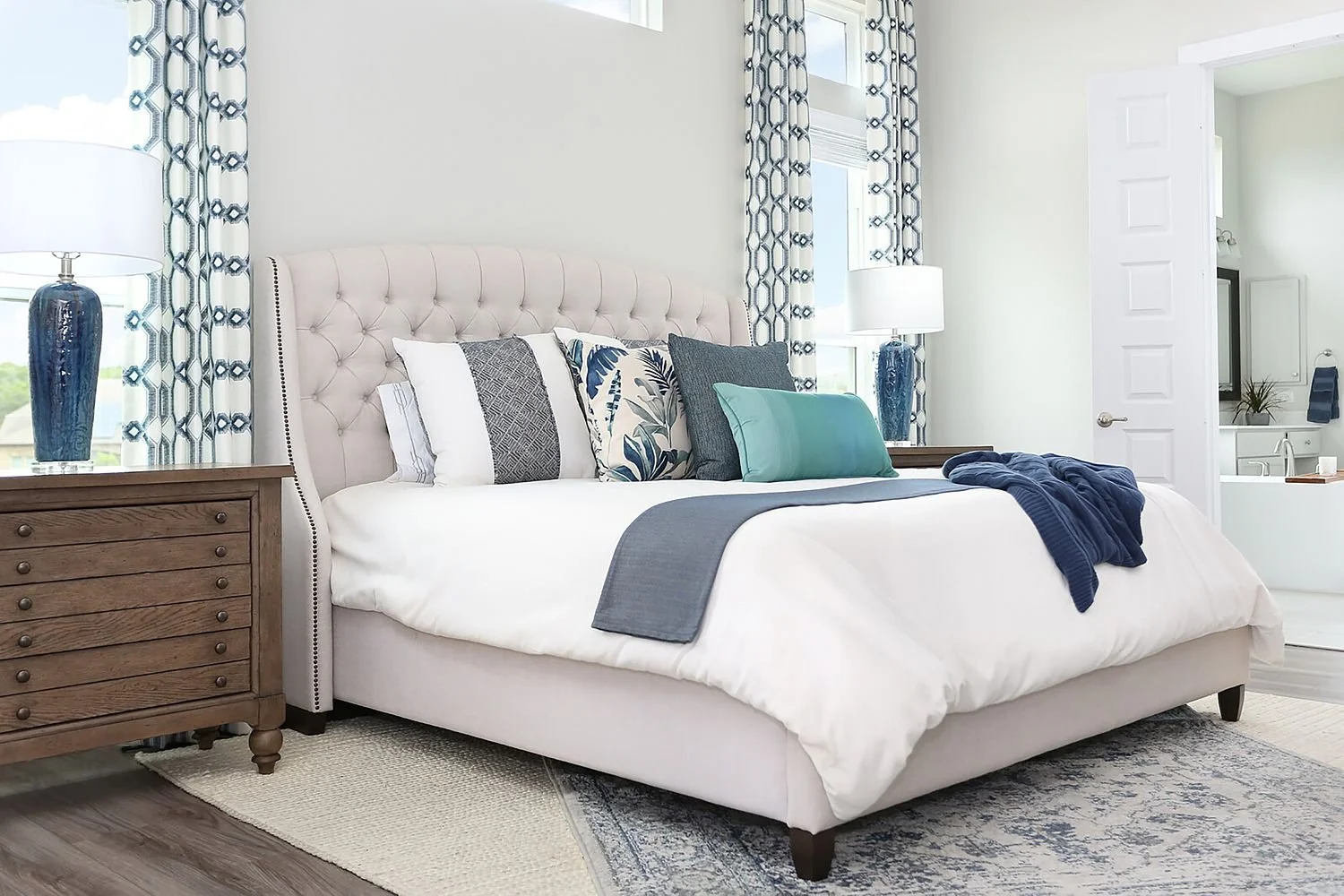
It Starts with You
Every successful design begins with understanding the people who will live in the space.
Before selecting furniture or considering colors, your designer needs to understand how you use the room, what you love about your home, what isn't working, and how you would like the finished space to feel.
Perhaps you entertain frequently and need flexible seating. Maybe your living room has become a gathering place for several generations of your family. You may work from home, have pets to consider, or simply want your home to feel more sophisticated while remaining comfortable enough for everyday life.
These conversations create the foundation for the entire design.
Turning Inspiration into a Design Direction
Clients often have plenty of inspiration. Saved photographs, magazine pages, favorite colors, a treasured piece of furniture, or even memories of a hotel or destination can all provide clues.
The designer's role is to look beyond individual images and identify the common threads. Perhaps it is the warmth of natural materials, an appreciation for bold color, clean architectural lines, or rooms that feel collected rather than overly coordinated.
From there, those ideas begin to develop into a clear design direction—one that reflects your taste without simply recreating somebody else's room.
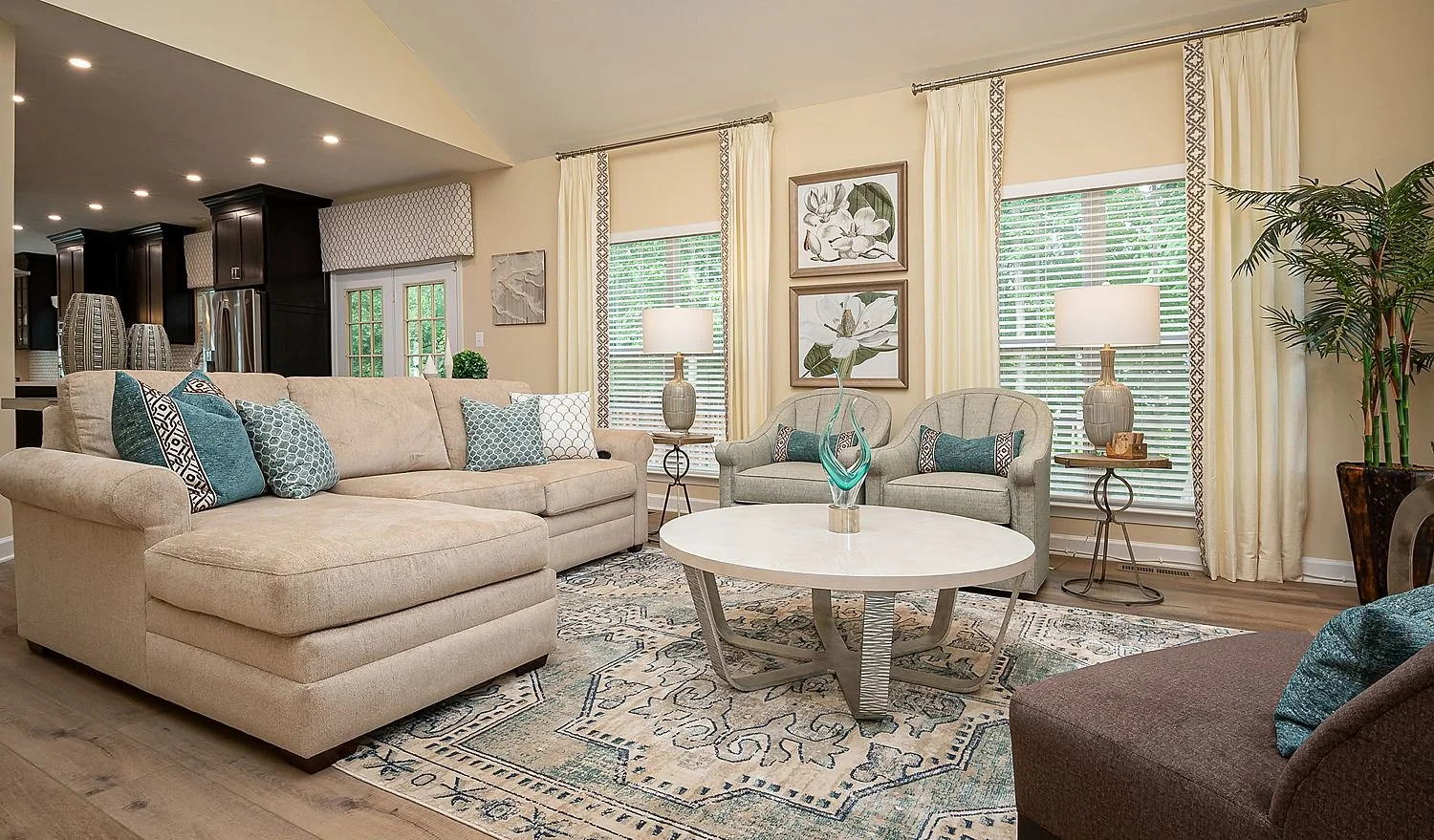
Planning the Space Before Choosing the Furniture
Before falling in love with a sofa or ordering a beautiful dining table, it is important to understand exactly how the room needs to function.
Professional space planning considers scale, proportion, architectural features, traffic flow and sightlines. Where will people naturally walk? How many people need comfortable seating? Is there enough room to pull out a dining chair? What will you see when entering the room from another part of the house?
A floor plan allows these questions to be answered before purchases are made, helping to avoid expensive mistakes while making the best possible use of the available space.
Building the Room Layer by Layer
Once the overall plan is established, the room begins to take shape.
Larger elements such as flooring, cabinetry, furniture and window treatments often establish the foundation. Rugs, lighting, artwork, fabrics and decorative details are then layered into the design.
Each selection affects another. The scale of a chandelier relates to the dining table beneath it. A rug helps define the furniture arrangement. Drapery can soften architectural lines and introduce another layer of color or texture.
Rather than choosing each item in isolation, a designer continually considers how everything will work together in the completed room.
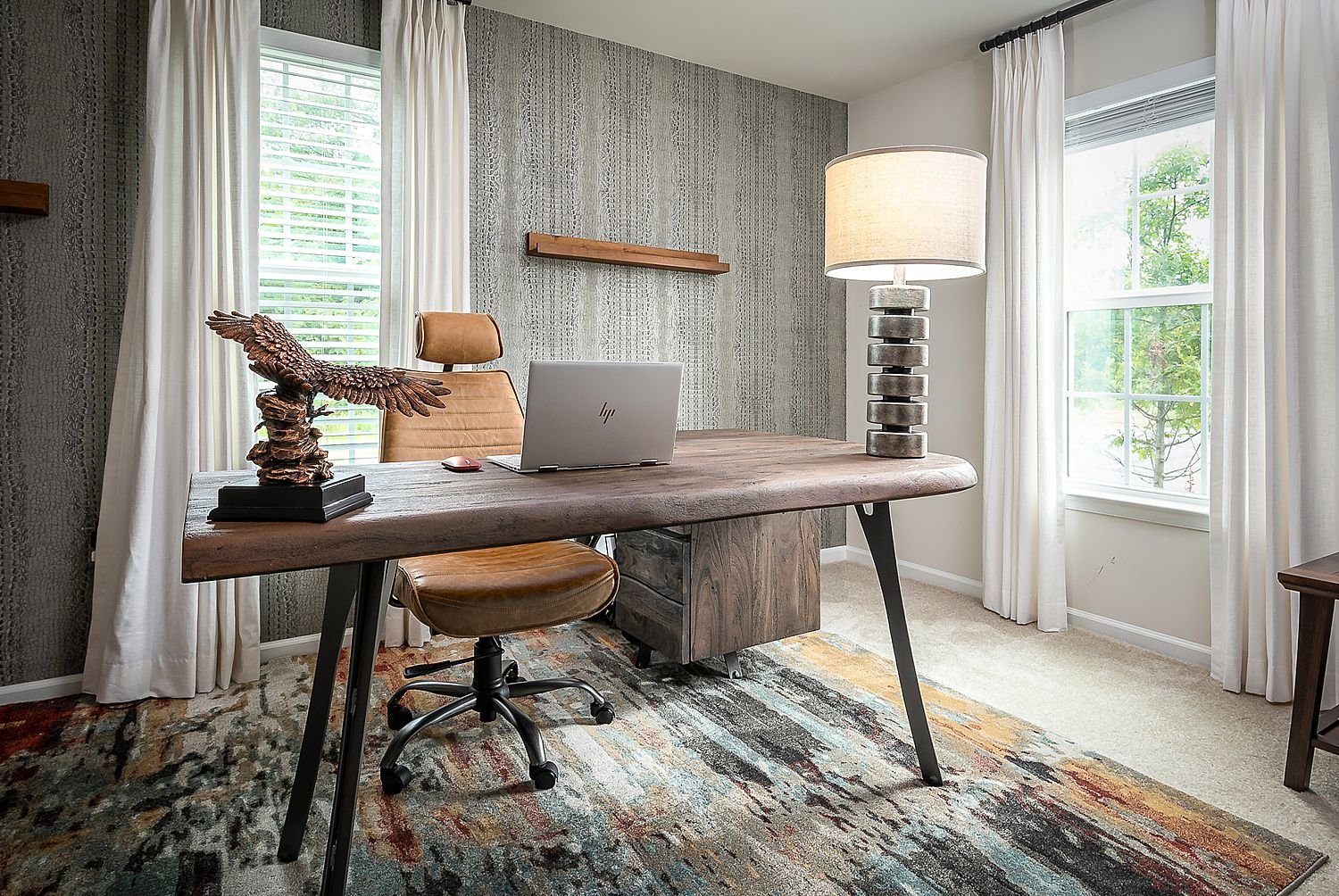
The Details Make the Difference
Some of the most important design decisions are also the easiest to overlook.
The height at which artwork is hung, the placement of lighting, the size of an area rug, the fullness of custom drapery, the combination of textures, and even the amount of space between pieces of furniture can dramatically influence how a room feels.
These details create polish and visual balance. You may not consciously notice every decision when you enter the finished room—but together they are often what makes a professionally designed interior feel so different.
Managing What Happens Behind the Scenes
Once selections have been approved, there is still considerable work to be done.
Furniture and materials must be ordered, custom pieces specified, deliveries coordinated, trades scheduled, and countless details checked along the way. Renovation or new-construction projects may also involve communication with contractors, builders and other specialists.
For the homeowner, professional design means having someone oversee those moving parts while keeping the original vision firmly in sight.
It is an important part of the process that clients rarely see in a photograph of the finished room.
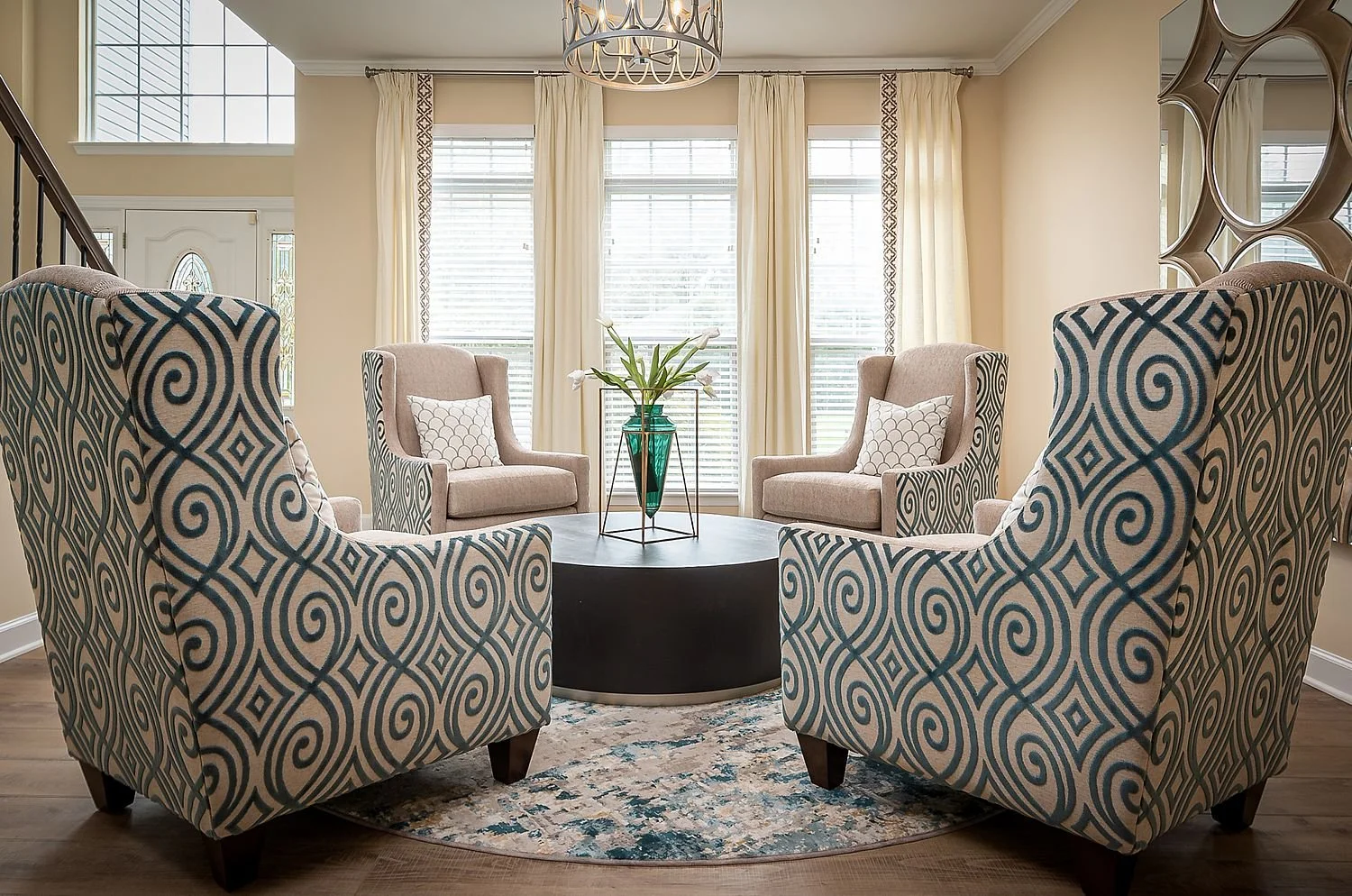
And Then Comes Installation Day
This is when months of planning finally come together.
Furniture is positioned, rugs are laid, window treatments installed, lighting completed, artwork hung, and accessories carefully placed. A room that may have existed only on plans, samples and presentation boards suddenly becomes real.
The final styling isn't simply about adding decorative objects. It is the last opportunity to create balance, establish focal points, introduce personality and ensure the room feels finished without feeling staged.
And then comes one of the best moments of the entire design process: walking into your completed space and seeing the vision brought to life.
Creating a Home That Feels Like You
At Holland Custom Designs, Monique Holland believes the most successful interiors are not simply beautiful—they reflect the people who live in them.
From the earliest conversations and space planning through furnishings, finishes and final installation, every decision is made with the complete room in mind. The result is a thoughtfully curated home that feels cohesive, functional and personal rather than simply decorated.
Because a beautiful interior isn't created by finding the right things. It's created by knowing how to bring all the right things together.