

How to Prepare for Your First Design Consultation
Before meeting in person, many interior designers begin the process with a brief Discovery Call. This introductory phone conversation is an opportunity for both you and the designer to determine whether you’re a good fit to work together. During the call, you’ll typically discuss the scope of your project, your goals for the space, and an approximate budget. It’s also a chance to learn about the designer’s process and ask a few initial questions. By the time the in-home consultation takes place, both you and the designer will already have a clearer understanding of the project and how you might collaborate.
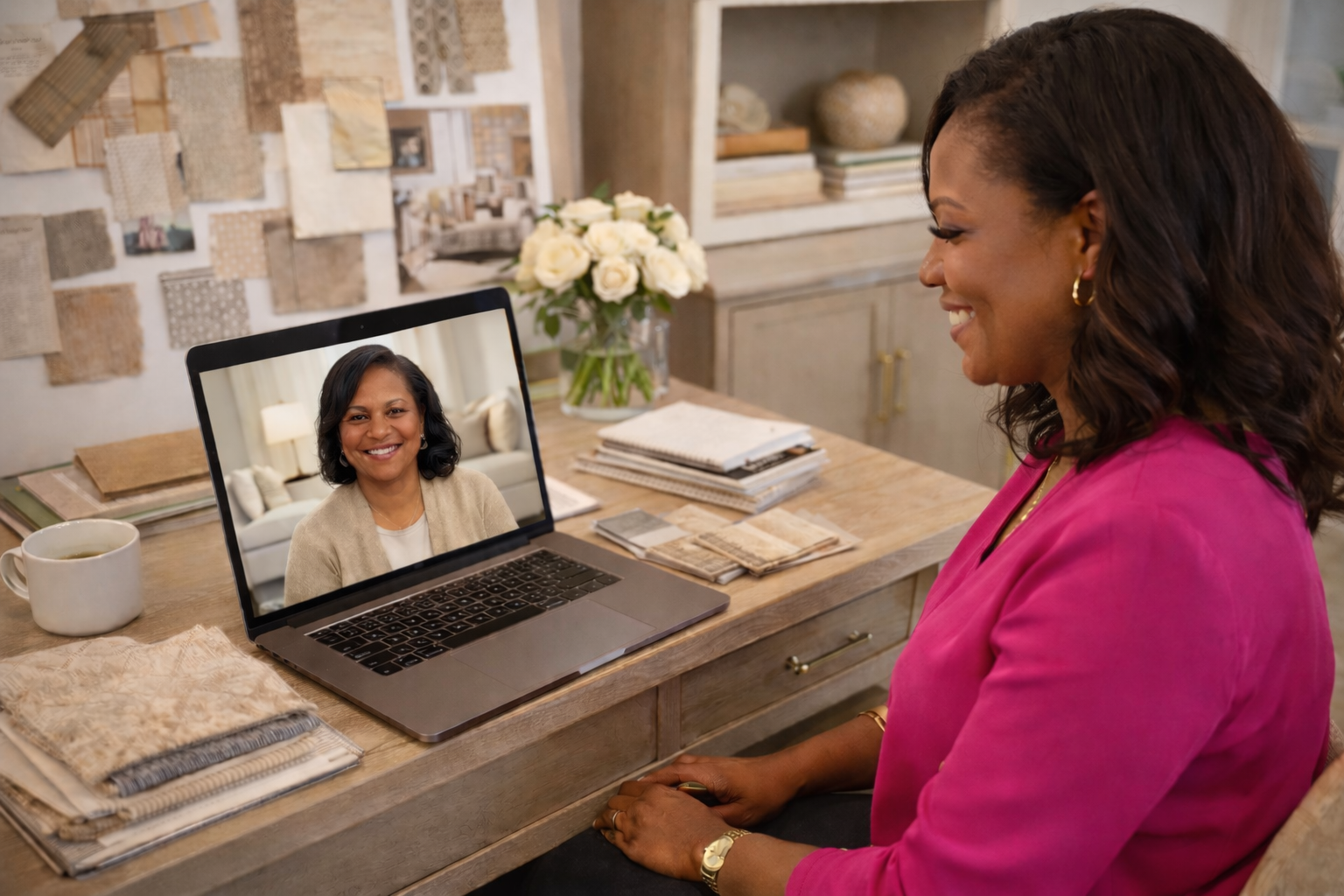
A Discovery Call allows you to ask questions before making commitment.
Gather Inspiration
One of the most helpful things you can bring to a design consultation is inspiration. Photos from magazines, Pinterest boards, Instagram, or interior design websites can help communicate the look and feeling you’re drawn to.
You don’t need to have everything figured out. Many clients arrive with a collection of images that reflect different styles or elements they love. Your designer will look for common threads—colors, textures, materials, and furnishings—to better understand your personal style.
Think About How You Use the Space
Successful design begins with understanding how a room functions in everyday life. Before your consultation, think about how the space is currently used and how you would ideally like it to function.
Consider questions such as how many people use the room regularly, whether you entertain often, if additional storage is needed, or whether pets or children should be considered in the design. These insights help your designer create a space that works beautifully for your lifestyle.
Identify What Isn’t Working
Take a few moments to walk through the space and think about what you would like to change. Perhaps the furniture layout feels awkward, the room lacks cohesion, or the lighting doesn’t create the atmosphere you want.
Sharing these challenges allows your designer to focus on thoughtful solutions that improve both the functionality and overall feel of the space.
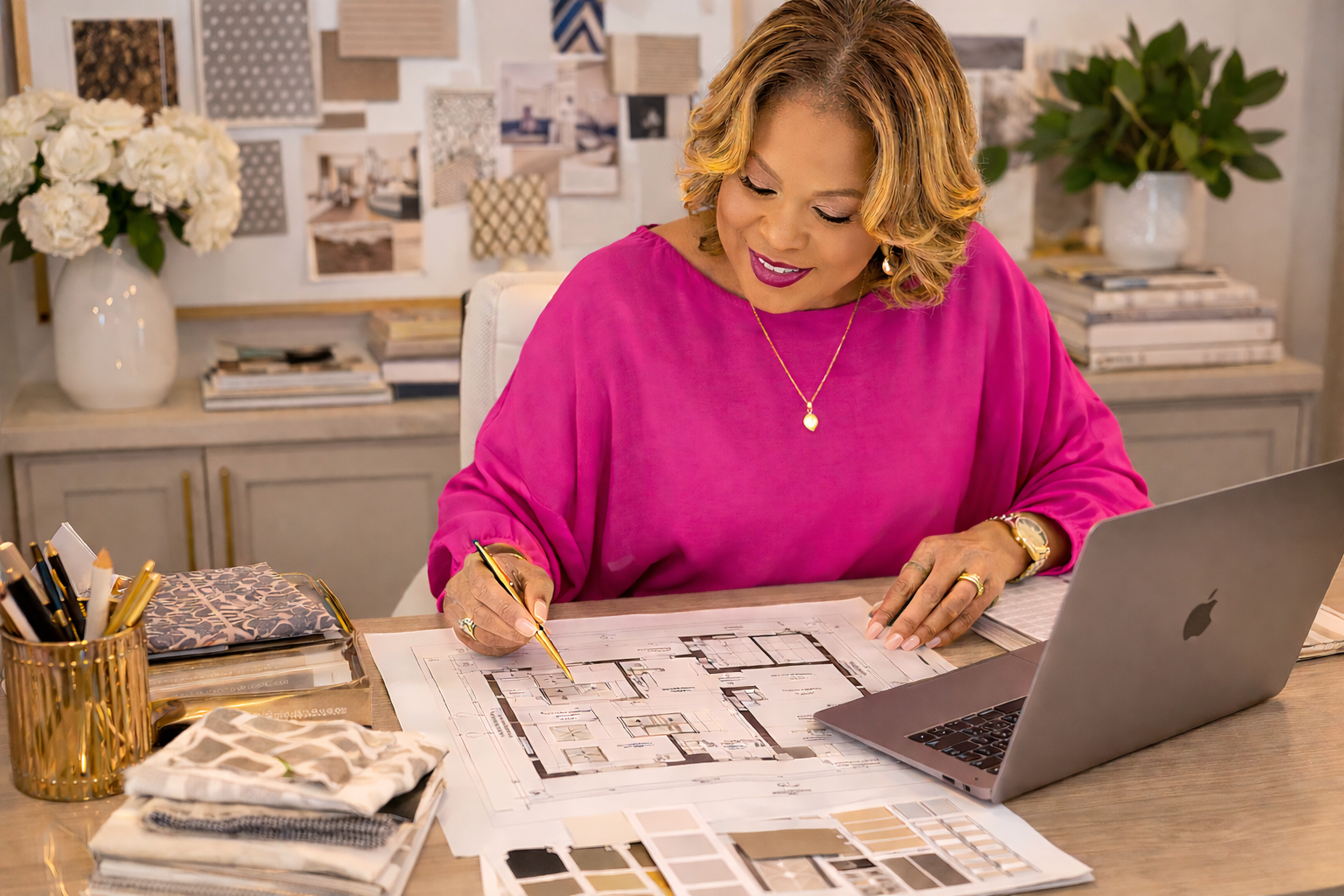
Bring Any Existing Plans
If you have architectural drawings, floor plans, builder documents, or renovation plans for your home, it can be very helpful to share these during the consultation. These documents provide valuable insight into the layout and structure of the space.
Your designer will take detailed measurements during the visit to ensure accuracy, but having existing plans allows them to understand the space more quickly and begin considering design possibilities right away.
Consider Your Budget and Timeline
Interior design projects can vary widely depending on the scope of work. Having a general idea of your investment range and desired timeline helps guide the conversation and ensures recommendations align with your expectations.
Being open about these details from the beginning allows the designer to propose solutions that are realistic and appropriate for your project.
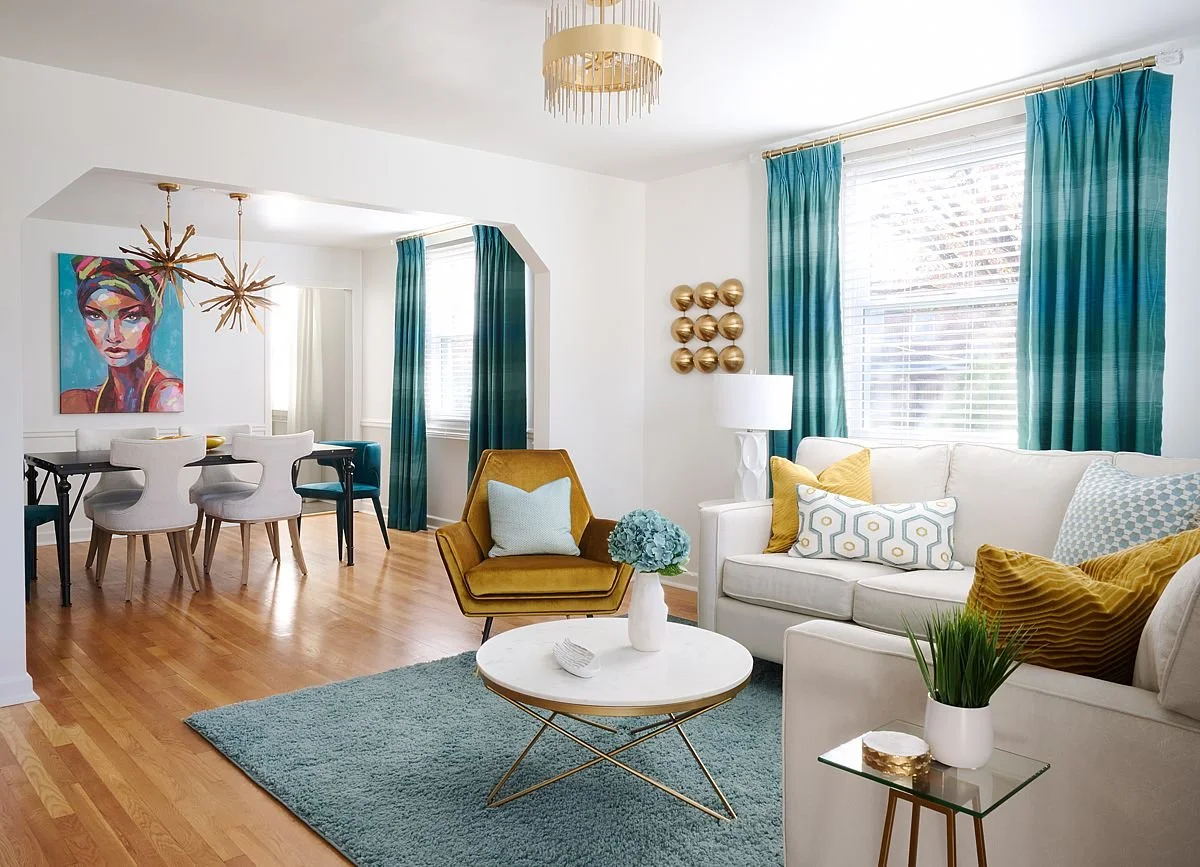
Mid-century modern living in DC.
Prepare Your Questions
Your consultation is also an opportunity to learn more about your designer and how they work. You may want to ask about their design process, how projects are managed, how design fees are structured, and what you can expect as the project moves forward.
Open communication at this stage helps establish clear expectations and builds confidence as the project begins.
The Beginning of a Creative Partnership
Your first design consultation is more than simply discussing furniture or color palettes—it is the beginning of a creative partnership. By preparing in advance and sharing your goals openly, you help your designer gain a clear understanding of your vision.
From there, the design journey can unfold with clarity and purpose, transforming ideas into a home that feels thoughtfully designed, comfortable, and uniquely yours.